

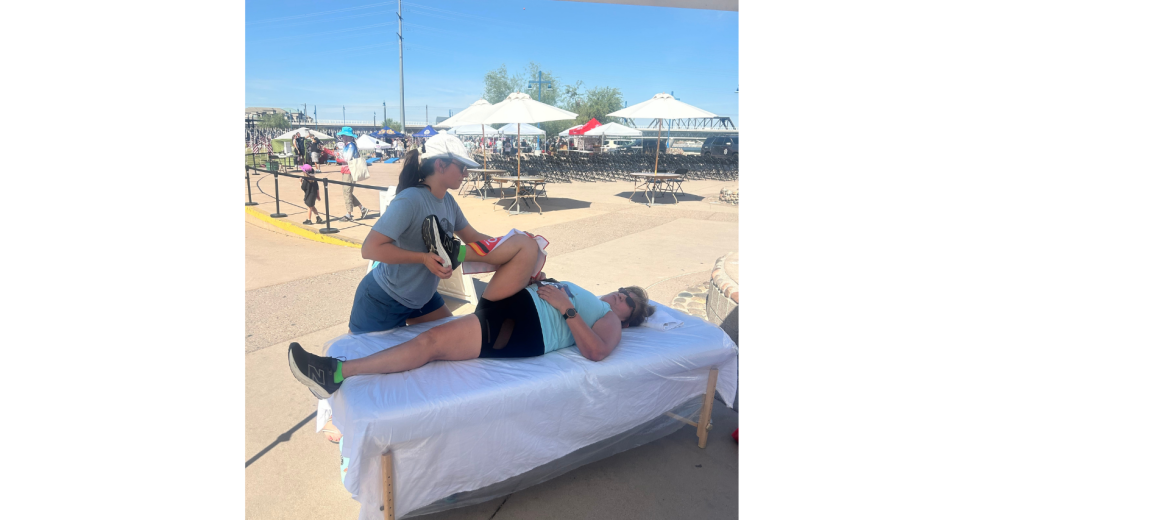
Massage isn’t just for short-term relief, it can be a “KEY”stone of long-term movement improvement. Setting clear, achievable movement goals with your therapist ensures that every session supports your progress.
At Keystone Body Therapies, we approach massage as a strategic intervention. Whether you’re dealing with chronic pain, stiffness, or limited range of motion, collaborative goal setting helps you:
- Track measurable improvements
- Stay consistent with treatment
- Address underlying patterns of imbalance
- Avoid the cycle of pain and compensation

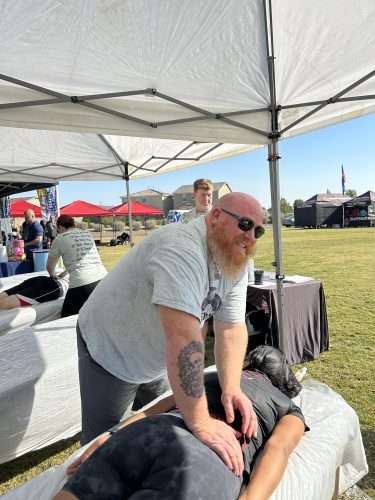
Step 1: Identify What Movement Matters Most to You
Before setting goals, reflect on how your body feels day-to-day. Ask yourself:
- What movements feel difficult or restricted?
- Are there activities I want to return to pain-free (e.g. hiking, golf, lifting)?
- Do I notice recurring stiffness in the same areas?
- What has prevented me from staying active?
Your massage therapist can use this information to focus on the areas that matter most for your lifestyle and function.
📍In the Valley cities like Chandler, Scottsdale, and Goodyear, cooler weather often means more movement—think hiking, golfing, or ramping up fitness routines. Meanwhile, in Flagstaff, colder temps and snow may limit outdoor activity, leading to stiffness or reduced mobility. Across all locations, seasonal shifts can highlight movement imbalances that benefit from targeted bodywork.
Step 2: Collaborate on Specific, Realistic Goals
Rather than vague goals like “feel better,” aim for specifics:
- Increase hip rotation to improve golf swing
- Reduce shoulder tightness that limits overhead lifting
- Restore ankle mobility post-injury to return to running
- Loosen upper back tension from desk posture
Your therapist can assess range of motion, muscle tension, and fascial restrictions to help you set priorities that are attainable and trackable.

Step 3: Choose the Right Therapeutic Techniques
At Keystone, we use a clinical, outcome-based approach. Once goals are defined, we recommend treatment types that match your needs:
- Myofascial Therapy: Great for restoring flexibility and addressing fascial restrictions.
- Myofascial Cupping Therapy: Targets stubborn tension and promotes fluid exchange in overused tissues.
- Swedish and Signature Massage Therapy: For general muscle recovery and stress-related tightness.
- Neuromuscular Re-education: Ideal for restoring coordination and retraining compensatory movement patterns.
Each session builds on the last. As progress is made, your goals may shift—and that’s a good thing.
Step 4: Track Progress and Adjust
Your therapist will note changes in mobility, tension, and function. You’ll likely notice improvements too, such as:
- Easier movement in daily life
- Less pain during or after workouts
- Better posture and balance
- More body awareness
We recommend revisiting your goals every 4–6 weeks to adjust your plan and maintain progress.
Step 5: Support Movement Goals Between Sessions
Massage therapy works best when paired with active recovery and daily awareness. Your therapist might recommend:
- Targeted home stretches
- Foam rolling techniques
- Ergonomic changes to your workspace
- Warm-up and cooldown routines for workouts
Harvard Health offers simple stretching tips for flexibility and injury prevention.
Why Keystone Is Ideal for Goal-Based Bodywork
We’re not a spa. At Keystone Body Therapies, every session is part of a long-term plan. Our licensed therapists specialize in therapeutic bodywork that:
- Analyzes your movement patterns
- Works through layers of soft tissue with precision
- Targets the root of your dysfunction—not just symptoms
- Gives you tools to stay active and aligned
Whether you’re recovering from an injury, training for a goal, or just want to move better, our team will help you build a plan that lasts.
Ready to Set Your Goals?
If you’re ready to get more from your massage sessions, let’s make a plan. Book a goal-setting and movement evaluation session at our Chandler, Scottsdale, Goodyear, or Flagstaff location.
