

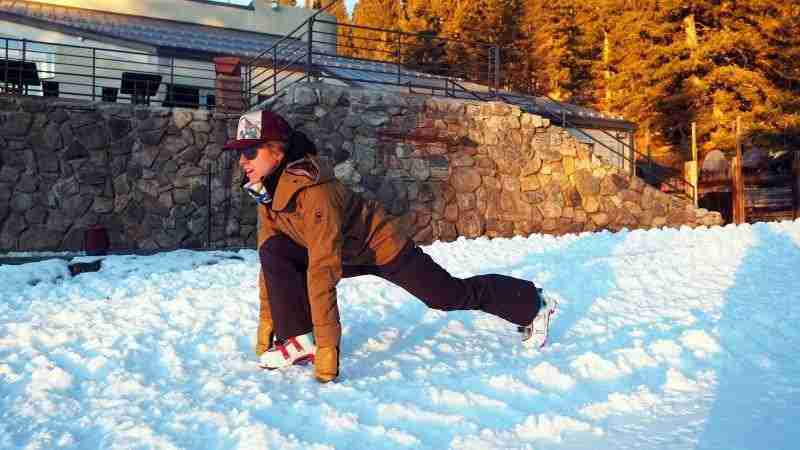
Why Your Joints Feel Stiffer in Real Cold Weather
When temperatures drop well below freezing — like the long winter season at Flagstaff’s Snowbowl and surrounding mountains — your body responds in predictable physiological ways.
Here’s what happens:
1. Muscle and Fascia Tighten in the Cold
Cold exposure causes the nervous system to protect you by tightening muscles and fascia. This is a survival response — muscle tone increases to generate heat and protect joints — but it also reduces flexibility and increases stiffness.
Muscles that are tight limit joint range of motion and make walking, skiing, or even just standing feel more difficult.
2. Reduced Synovial Fluid Viscosity
Synovial fluid — the slippery liquid that lubricates joints — becomes more viscous in cold temperatures. Think of it like oil getting thicker in a cold engine. When the fluid is thicker, movement feels less smooth and joints feel stiffer. This is especially noticeable in weight-bearing joints like knees and ankles.
3. Barometric Pressure Changes
As weather fronts move through cold regions like northern Arizona, changes in barometric pressure can increase joint capsule sensitivity. While the exact science is still evolving, many people consistently report more joint discomfort with changing weather fronts, especially in winter.
4. Circulation Slows in Response to Cold
Blood vessels constrict in cold conditions to preserve core heat. This means less blood flow to extremities like fingers, toes, knees, and hips. Reduced circulation can make tissues feel sore, tense, or “frozen in place.”
5. Micro‑Guarding and Protective Posture
In cold temperatures, people unconsciously “hunch” or guard joints to stay warm. This protective posture places extra load on the neck, upper back, and low back, which can create compensatory stiffness elsewhere in the body. It’s a reflex, but it can become a pattern if cold exposure is prolonged. 
What Research Says About Cold and Joint Stiffness
Cold weather mechanics are not just anecdotal. Clinical observations and research point to:
- Reduced mobility and stiffness in colder temperatures due to changes in muscle tone and synovial fluid behavior.
- Increased reports of discomfort among people with osteoarthritis and chronic joint conditions in cold climates.
- Benefits of warm‑up, circulation support, and movement to counteract stiffness.
For a general overview on joint fluid behavior and mobility challenges, the Arthritis Foundation and Medical News Today outline common triggers and responses in colder climates:
- Arthritis Bodies and Cold Weather Sensitivity (Arthritis Foundation)
- How Cold Weather Affects Joint Pain (Medical News Today)
Who Is Most Affected?
In Flagstaff, many people experience winter sports, cold walks, or just daily life at freezing temps. Cold weather joint stiffness is particularly noticeable in:
- Skiers and snowboarders: repetitive bending, impact landings, and cold exposure make knees and ankles especially susceptible.
- Hikers on snowy trails: winter terrain demands more from stabilizing muscles.
- Older adults: natural reductions in cartilage and lubrication make colder months feel more extreme.
- People with past injuries: previously injured joints tend to be more sensitive to barometric shifts and cold-induced muscle tightening.
Practical Strategies Before We Talk About Therapeutic Bodywork
Here are evidence‑based approaches you can apply right now to manage cold-induced stiffness:
Warm Up Before Activity
A 5 to 10 minute dynamic warm‑up increases muscle temperature and synovial fluid flow. Examples include:
- Ankle circles and toe lifts
- Hip openers and leg swings
- Arm circles and shoulder rotations
These warm‑ups activate your nervous system and increase blood flow before you hit the slopes or snowy trails.
Layer Clothing Strategically
Keeping your core warm reduces the body’s need to constrict blood vessels in extremities. Wear moisture‑wicking base layers with insulated outerwear.
Keep Moving Frequently
Cold joints stiffen when you stay still too long. Between runs or breaks, do short mobility movements like:
- Gentle hip rotations
- Knee bends
- Cervical mobility (neck movements)
This prevents fluid from “pooling” and connective tissues from tightening up.
Hydration Isn’t Just for Heat
Even in winter, dehydration can occur. Proper hydration supports tissue health and circulatory function — both of which help joints remain mobile.
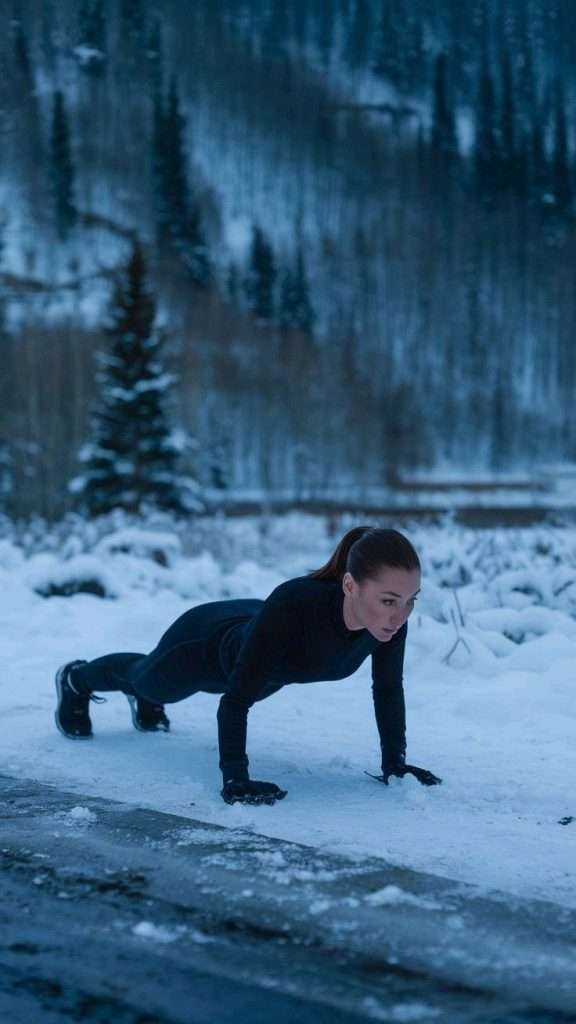
Where Therapeutic Bodywork and Movement Support Fit In
At this stage we move into the realm of clinical support for people whose stiffness is limiting activity or affecting quality of life. Structural and soft‑tissue approaches are not just “massage” — they are therapeutic interventions aimed at improving how the neuromuscular system tolerates cold‑induced challenges.
Therapeutic Bodywork
This is clinical manual work focused on areas of dysfunction — like tight calves, stiff hips, or sore low back — that change how joints move in cold conditions. It can help:
- Improve circulation to stiff tissues
- Reduce compensatory tension patterns
- Increase connective tissue pliability
- Enhance overall mobility for activity
Injury and Rehabilitative Bodywork
When stiffness is localized — like post‑ski knee or ankle discomfort — this targeted service helps release restricted muscles or adhesions that limit range of motion.
Structural Integration
This is a progressive series focused on aligning fascia and muscle relationships overall. It’s particularly useful for people whose posture or movement patterns magnify stiffness in cold weather.
Neuromuscular Re‑Education
Movement education that pinpoints the weakest links in your mobility strategy. In Flagstaff winters where cold exposure is part of regular life, learning supportive movement patterns at home makes a significant difference.
Find these services at Keystone Body Therapies’ services page.
Actionable Mobility Routines for Cold Climates
You don’t need complex equipment to support your joints. Simple routines like these — done before or after exposure to cold — help maintain function:
Lower Leg Warm‑Up Sequence
- Ankle circles — 15 reps each direction
- Calf raises — 2 sets of 10
- Heel pulses — 30 seconds
Hip and Low Back Mobility Set
- Hip circles — 10 each direction
- Cat‑cow mobilization — 10 reps
- Glute bridges — 2 sets of 10
These help target joints most affected by cold exposure and winter activity.
A Note on Long‑Term Cold Adaptation
Long‑term residents in cold regions tend to adapt over time — circulation improves, muscle activation becomes more efficient, and movement strategies get optimized. But when winter is sharp — like Flagstaff’s season — intentional warm‑ups, circulatory support, and movement education make that adaptation process faster and less painful.
Summary
Cold weather affects joints and muscle tissue in predictable ways — through reduced circulation, increased muscle tone, changes in synovial fluid behavior, and compensatory posture. These changes are especially relevant for Flagstaff residents and winter sports enthusiasts.
You don’t have to “tough it out.” Early mobility, warm‑ups, and movement strategies help, and clinical support through therapeutic bodywork and related services can make a measurable difference in comfort and function.
