

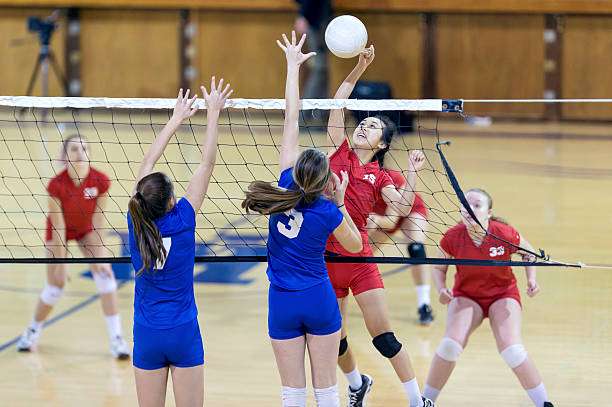
Between club practices, school teams, and travel tournaments, many teen athletes are training at a volume that would have been unusual even for college athletes a generation ago. That intensity comes with real benefits, but it also comes with real risk, and understanding how recovery tools like massage therapy fit into a young athlete’s routine can help parents make more informed decisions about their teen’s training and health.
Why Overuse Is the Injury Parents Should Watch For
Unlike a rolled ankle or a collision on the field, overuse injuries build quietly, over weeks or months of repetitive stress without adequate recovery. According to the American Academy of Pediatrics (AAP), an estimated 50% of all sports-related injuries in kids and teens result from overuse rather than a single traumatic event, a statistic reinforced by HealthyChildren.org, the AAP’s parent-facing resource. The AAP’s clinical report notes that overuse injuries result from repetitive stress without sufficient recovery time, which leads to accumulated musculoskeletal damage and, left unaddressed, can also contribute to broader overtraining syndrome and burnout.
The numbers behind youth sports attrition are striking. The AAP has found that roughly 70% of kids who play organized sports stop participating by age 13, and injury and burnout are among the leading reasons why. To help protect against this, the AAP specifically recommends that young athletes get one to two days off per week from competition and sport-specific training, along with two to three months off each year from a single sport, guidance that’s easy to overlook when a teen is committed to a demanding season schedule.
Where Massage Fits Into the Picture
Massage therapy isn’t a substitute for rest, proper training load, or medical evaluation of an injury, but it can be a useful complement to a teen athlete’s recovery routine, particularly during high-volume training periods. The mechanism is largely the same as it is for adult athletes: massage increases circulation to fatigued muscle tissue, which helps deliver oxygen and nutrients while assisting the body in clearing metabolic byproducts that contribute to soreness. For a teen playing multiple games in a weekend or training several times a week, that circulatory support can meaningfully ease the day-to-day muscle tightness that builds up between sessions.
That said, teenage bodies are not simply smaller adult bodies, and this is the part parents most need to understand. Adolescents still have open growth plates, the areas of developing cartilage near the ends of long bones, which are more vulnerable to repetitive stress than mature bone. Conditions like Osgood-Schlatter disease (a common cause of knee pain in growing athletes) and Sever’s disease (heel pain) are directly tied to this vulnerability, which is why massage technique, pressure, and treatment goals for a teen athlete should look different from a session designed for an adult.
What Parents Should Ask Before Booking a Session
A few questions can help ensure a teen’s massage sessions are both safe and useful:
- Is the therapist experienced working with adolescent or youth athletes specifically, not just adults?
- Will pressure and technique be adjusted for a still-developing musculoskeletal system?
- Is there a plan to loop in a physician, athletic trainer, or physical therapist if pain doesn’t resolve, worsens, or shows signs of a more serious issue, like joint instability, unexplained swelling, or pain that wakes your teen up at night?
- Are you welcome to be present during the session, particularly for younger teens?
These aren’t red flags to avoid massage altogether – they’re the same due diligence any parent would apply before adding a new piece to their teen’s training and recovery plan.
The Bottom Line for Parents

Used appropriately, massage therapy can be a valuable part of helping a young athlete recover between practices, manage the physical demands of a busy season, and stay engaged with the sport they love without breaking down along the way.
Our therapists at Keystone Body Therapies work with families across our Chandler, Scottsdale, and Goodyear locations to tailor Therapeutic Bodywork sessions to a teen athlete’s training schedule and developing body.
