


Triathlon training in Arizona rarely slows down. In the Phoenix metro area, athletes take advantage of mild winters, long daylight hours, and access to open roads, canals, and pools. As swim, bike, and run volume increases, so does the need for intentional recovery strategies that support performance and reduce injury risk.
Therapeutic bodywork is not about relaxation for triathletes. It is about maintaining tissue quality, improving movement efficiency, and helping the body tolerate repetitive load across three very different disciplines.
Below are three bodywork routines commonly used by Arizona triathletes to stay consistent, resilient, and competitive throughout the training season.
Why Triathletes Need Sport-Specific Bodywork
Triathlon places unique demands on the body. Each discipline stresses tissues differently, and when combined, those demands compound.
Common challenges triathletes face include:
- Hip flexor tightness from cycling posture
- Shoulder and upper back restriction from swimming
- Calf, Achilles, and foot strain from running volume
- Postural fatigue from long hours in forward-flexed positions
According to the National Academy of Sports Medicine, repetitive endurance training can lead to predictable movement compensations and muscular imbalance if recovery is not addressed intentionally.
Therapeutic bodywork helps manage these patterns before they limit performance or lead to injury.
Routine 1: Lower Body Recovery for Run and Bike Volume
Best timing: During peak mileage weeks or after long runs and rides
Running and cycling place repeated stress on the hips, quads, calves, and feet. Over time, this can reduce stride efficiency and joint range of motion.
This routine focuses on:
- Hip flexors and adductors
- Gluteal muscles
- Hamstrings and calves
- Plantar fascia and ankle mobility
Therapeutic Bodywork targets chronically shortened tissues and improves circulation through fatigued muscle groups. When pain or restriction is localized, Injury and Rehabilitative Bodywork allows the therapist to work on specific muscles contributing to discomfort or altered mechanics.
Research published through the National Institutes of Health shows manual therapy can improve flexibility and perceived recovery in endurance athletes when paired with training.
This routine supports smoother transitions between training sessions and helps maintain consistent run form.
Routine 2: Upper Body and Breathing Support for Swim Performance
Best timing: Early in the training cycle or during heavy swim blocks
Swimming places sustained demand on the shoulders, neck, and thoracic spine. Limited mobility in these areas can restrict stroke mechanics and breathing efficiency.
This routine focuses on:
- Pectoral muscles and anterior shoulder tissue
- Upper back and thoracic spine mobility
- Neck and rib cage mechanics
Therapeutic Bodywork helps restore length and balance through the shoulder girdle and chest. Improved thoracic mobility supports better breathing rhythm and reduces unnecessary tension during long swim sets.
Studies in the Journal of Bodywork and Movement Therapies highlight the role of soft tissue work in improving shoulder function and postural control in athletes.
Triathletes often notice improved stroke efficiency and reduced neck fatigue when this routine is part of regular recovery.
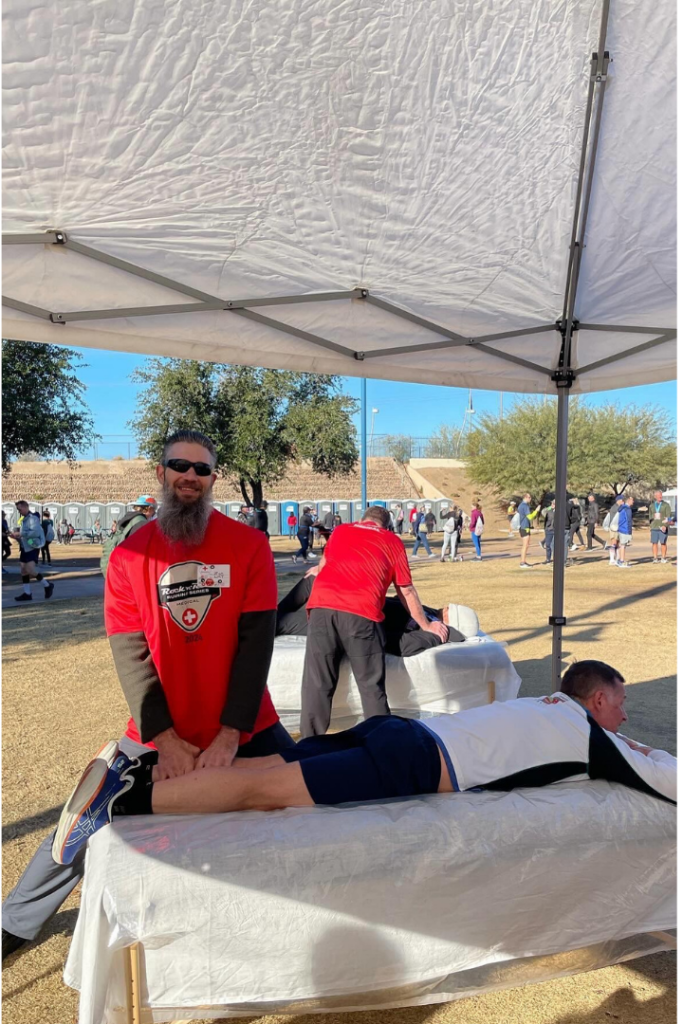
Routine 3: Full-System Reset for Training Balance
Best timing: Between training phases or during recovery weeks
Triathlon training does not stress one area in isolation. Over time, small compensations accumulate across the entire body.
This routine combines:
- Therapeutic Bodywork for global tissue balance
- Structural Integration principles to address posture and alignment
- Neuromuscular Re-Education to reinforce efficient movement patterns
Structural Integration focuses on how the body organizes itself relative to gravity. For triathletes who spend hours cycling or running, this approach helps restore balance between left and right sides and reduce unnecessary strain.
Neuromuscular Re-Education provides movement strategies and corrective exercises that athletes can take into training sessions, supporting long-term performance rather than short-term relief.
The Cleveland Clinic notes that improving posture and movement efficiency plays a key role in injury prevention for endurance athletes.
How Often Should Triathletes Schedule Bodywork?
While needs vary by athlete, many Arizona triathletes follow a general pattern:
- Every 2 to 4 weeks during base training
- Every 1 to 2 weeks during peak volume phases
- Periodic reassessment during taper and recovery phases
Consistency allows therapists to track patterns, adjust focus areas, and support adaptation throughout the season.
Supporting Performance in the Phoenix Area
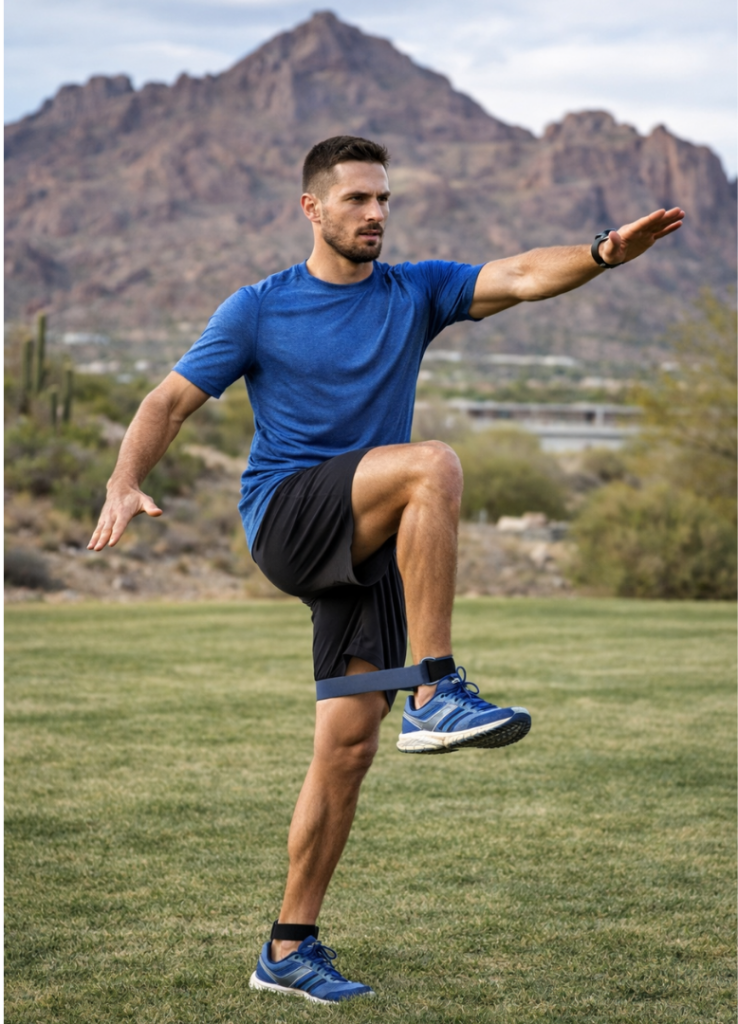
Triathletes training in Phoenix, Scottsdale, Tempe, and Goodyear face unique challenges including heat exposure, long training windows, and year-round volume. Recovery strategies must match that consistency.
At Keystone Body Therapies, we work with endurance athletes to support performance through:
- Therapeutic Bodywork
- Injury and Rehabilitative Bodywork
- Structural Integration
- Neuromuscular Re-Education
- Myofascial Cupping as an integrated add-on
You can explore these services here.
Training Strong Means Recovering Intentionally
Performance gains come from how well your body adapts to training. Strategic bodywork supports that process by keeping tissues healthy, movement efficient, and compensation patterns in check.
If you are training for a sprint, Olympic, half, or full-distance triathlon, integrating purposeful recovery into your routine helps you stay consistent from the first swim to race day.
