

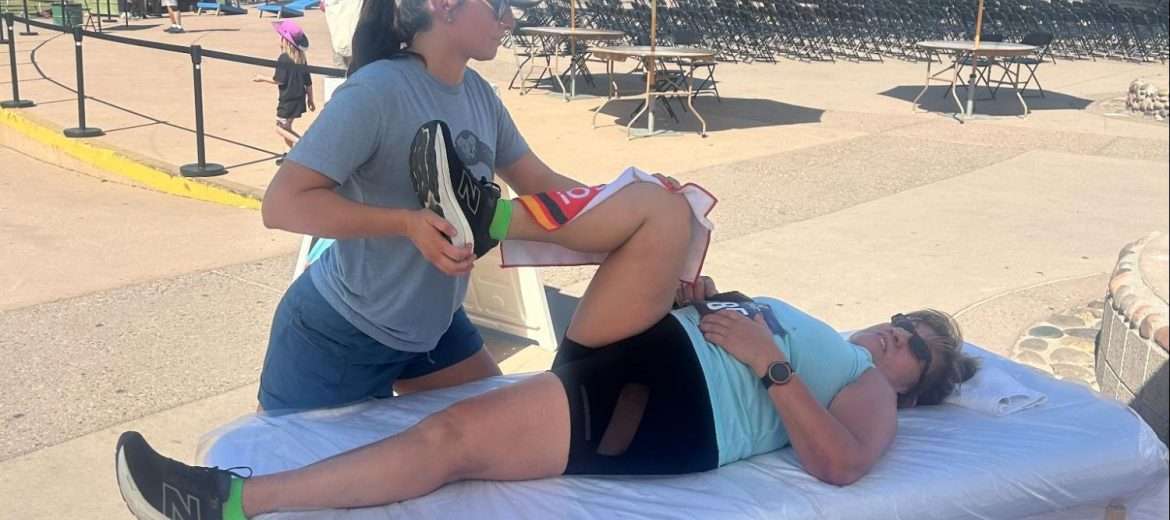
In active communities like Flagstaff, injuries are often part of the process of pushing your body outdoors. Trail runners, skiers, mountain bikers, and hikers regularly place high demands on their joints, connective tissue, and muscles.
The challenge is not just recovering from an injury. The real challenge is preventing that same injury from returning.
Recurring injuries are common in endurance athletes and outdoor recreation enthusiasts because the underlying movement pattern that caused the issue often remains unchanged. Therapeutic bodywork can play an important role in helping reduce the risk of those patterns returning.
Why Re-Injury Happens
Many injuries come back because the body never fully resolved the underlying imbalance that created the problem.
Common contributors to re-injury include:
- Muscle imbalances
- Restricted fascia or connective tissue
- Limited joint mobility
- Compensation patterns after injury
- Returning to activity too quickly
Research from the American Academy of Orthopaedic Surgeons notes that incomplete rehabilitation is one of the most common reasons athletes experience recurring injuries.
If the body continues to move with the same dysfunctional mechanics, stress will eventually return to the same tissues.
Why Flagstaff Athletes Are Especially Prone to Re-Injury
Flagstaff’s outdoor environment offers incredible training opportunities, but it also introduces unique challenges.
Many local athletes regularly train on:
- uneven trail surfaces
- steep elevation changes
- technical terrain
- longer endurance efforts
Activities like trail running, skiing at Arizona Snowbowl, hiking Buffalo Park, or mountain biking through Fort Tuthill require the body to constantly stabilize and adjust.
These environments are excellent for building strength, but they can also magnify small imbalances that lead to repeated strain.

How Massage Therapy Supports Injury Prevention
Therapeutic bodywork does more than relax muscles. When applied strategically, it can help restore healthy movement patterns and tissue mobility.
Several physiological changes occur during targeted manual therapy:
Improved tissue mobility
Restricted fascia and scar tissue can limit how muscles glide and function. Manual therapy techniques help restore movement between tissue layers.
The Fascia Research Society explains that fascial mobility plays a major role in how forces move through the body.
Better circulation and recovery
Massage increases blood flow to injured or stressed tissues. Improved circulation helps deliver oxygen and nutrients needed for recovery.
The National Institutes of Health reports that massage therapy can improve circulation and
support recovery in soft tissue injuries.
Improved movement awareness
Manual therapy often increases body awareness, helping athletes recognize compensations or tight areas earlier.
This awareness helps prevent small issues from becoming chronic injuries.

Identifying Hidden Compensation Patterns
After an injury, the body often adapts to protect the injured area. These protective patterns may remain even after pain decreases.
For example:
- an ankle injury may alter gait mechanics
- knee pain may change hip stability
- shoulder injuries may change upper back movement
Over time, these compensations place stress on other tissues.
Therapeutic bodywork can help identify and release the restrictions that reinforce those patterns.
Supporting Outdoor Performance in Flagstaff
Many athletes in Flagstaff balance intense outdoor activity with everyday life.
Long trail runs, hiking routes like Fatman’s Loop, or winter sports at Snowbowl place constant demands on the body. Maintaining tissue mobility and alignment helps athletes stay active through changing seasons.
Recovery strategies such as mobility work, proper training progression, and therapeutic bodywork all contribute to reducing re-injury risk.
How Keystone Body Therapies Approaches Injury Prevention
At Keystone Body Therapies, therapists focus on restoring efficient movement patterns rather than simply treating isolated pain.
Approaches may include:
- Therapeutic Bodywork to release restricted fascia and muscle tension
- Injury and Rehabilitative Bodywork to address specific dysfunctions
- Structural Integration to improve posture and movement mechanics
- Neuromuscular Re-Education to retrain movement patterns
These methods help athletes move more efficiently and reduce the likelihood of repeated strain.
Learn more about our services.
Simple Habits That Reduce Re-Injury Risk
In addition to professional bodywork, several habits help reduce the likelihood of recurring injuries.
Helpful practices include:
- gradual increases in training intensity
- mobility exercises for hips and thoracic spine
- recovery days between high-intensity sessions
- strength training to support joint stability
- addressing minor pain early
The Mayo Clinic recommends gradual training progression and proper recovery to reduce sports injury risk.
Staying Active for the Long Run
Outdoor recreation is a central part of life in Flagstaff. Whether you enjoy trail running, hiking, skiing, or mountain biking, protecting your body from recurring injuries helps you stay active longer.
Massage therapy and therapeutic bodywork can support that goal by restoring tissue mobility, improving alignment, and helping the body move more efficiently across challenging terrain.
