What Is Structural Integration?
Structural Integration is one of the most profound forms of bodywork available. Originally developed by Dr. Ida Rolf, this systematic approach works with the body’s fascia — the connective tissue that surrounds and connects every muscle, bone, nerve, and organ — to reorganize how the body is structured in relation to gravity.
When fascia becomes restricted, thickened, or adhered due to injury, poor posture, repetitive stress, or emotional holding patterns, it creates strain throughout the entire body. You may feel this as chronic tension, limited movement, pain in areas seemingly unrelated to the original cause, or a persistent sense of being “out of alignment.”
Structural Integration methodically addresses these restrictions layer by layer, allowing the body to reorganize into a more balanced, efficient, and upright relationship with gravity. The changes are not just symptomatic — they are structural, and they last.
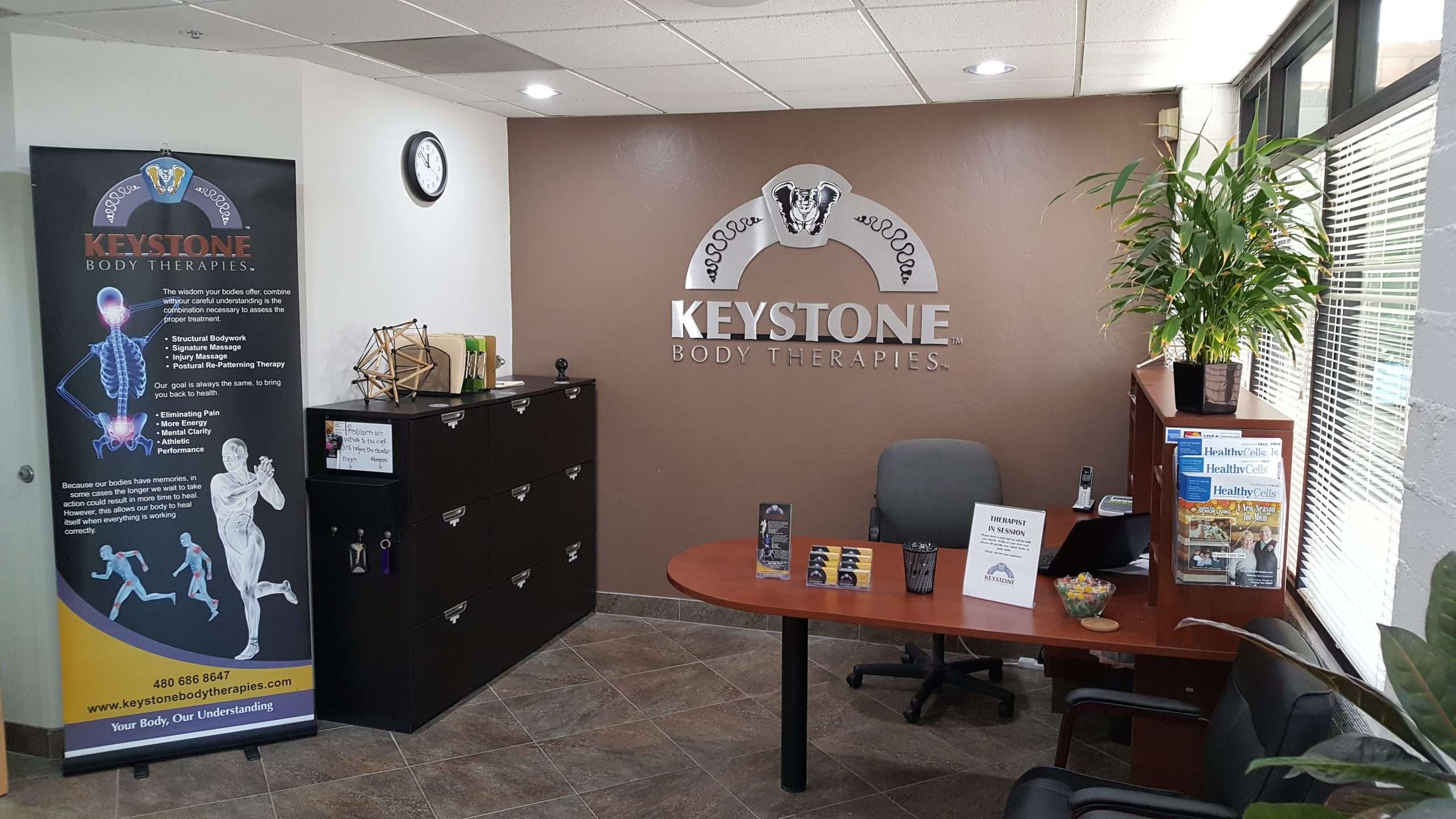
At Keystone Body Therapies, our Structural Integration practitioners — including owner Tate Hardcastle, a certified Structural Integration practitioner trained since 2004 — deliver this work with skill, precision, and genuine care.

The 12-Session Series — What Happens in Each Phase
Structural Integration is delivered as a series of 12 sessions, each one building on the work of the previous. The series is organized into three distinct phases:
The Sleeve Sessions (Sessions 1–3)
The opening sessions focus on the outer, more superficial layers of connective tissue — the “sleeve” of the body. Work in this phase releases the breath, frees the outer structures of the hips and legs, and begins opening lines of tension from the feet to the shoulders. Clients commonly experience improved breathing and a noticeable feeling of “lightness” early in this phase.
The Core Sessions (Sessions 4–7)
The middle sessions go deeper, addressing the core musculature and connective tissue that runs from the feet through the pelvic floor, spine, and into the cranium. This phase works on the body’s structural center — the foundations of posture and alignment. Changes in this phase are often the most dramatic, with many clients reporting significant resolution of longstanding pain.
The Integration Sessions (Sessions 8–12)
The final phase ties the work of the previous sessions together, helping the body integrate its new structural organization. The practitioner addresses relationships between body segments — how the feet connect to the pelvis, how the pelvis relates to the spine, and how the spine supports the head. By the end of the series, the body has been reorganized from the ground up.
Who Benefits From Structural Integration?
Structural Integration produces significant results for a wide range of people and conditions:
| ✓Chronic back, neck, and shoulder pain that hasn't responded to other treatment | ✓Scoliosis and spinal curves |
| ✓Hip, knee, and joint pain related to alignment | ✓Postural problems (rounded shoulders, forward head posture, pelvic tilt) |
| ✓Athletes seeking improved performance and movement efficiency | ✓People experiencing the effects of aging, gravity, and repetitive stress |
| ✓Individuals recovering from long-term injuries or surgeries | ✓Anyone who wants a deeper, more comprehensive transformation of how their body feels and moves |
Structural Integration Pricing
$210
Full 12-Session Series
Save up to 25% with our Health & Wellness Membership
Frequently Asked Questions — Structural Integration
How is Structural Integration different from regular massage?
Regular massage works primarily on muscle tissue and provides temporary relief. Structural Integration works specifically with the fascial system — the connective tissue network — to create lasting changes in your body’s structure and alignment. The effects of a full 12-session series continue to develop even after the series is complete.
Do I have to do all 12 sessions?
The full series is designed to be experienced in sequence, as each session builds on the last. However, clients who cannot complete the entire series still benefit from the sessions they do receive. We’ll discuss the full picture with you before you begin.
Will it hurt?
Structural Integration involves working with deep connective tissue and can involve intensity, but it should never be painful. Your practitioner works at the pace your body allows and communicates with you throughout. Most clients find the work deeply satisfying — “intense but good” is a common description.
How long do the results last?
Because Structural Integration creates changes at the structural level, the results are generally long-lasting. Many clients report that the improvements they experience after a full series remain with them for years. Maintenance sessions can be incorporated as desired.
Where in Arizona do you offer Structural Integration?
Structural Integration is available at our Chandler, Scottsdale, and Flagstaff locations with certified practitioners.