


Long flights, long road trips, and busy airport days can be rewarding experiences — but they often come with sore necks and stiff backs by the time you reach your destination. Whether you’re flying out for a vacation or heading home after visiting family, travel‑related discomfort is common and has clear physical causes. The good news is that targeted recovery strategies, including therapeutic bodywork and massage therapy, can help you feel better faster and get back to your routine with less pain.
Below we’ll explore why travel often causes neck and back discomfort, evidence‑based ways to prevent stiffness, and how Keystone Body Therapies can support recovery for travelers in Chandler, Scottsdale, Goodyear, and Flagstaff.
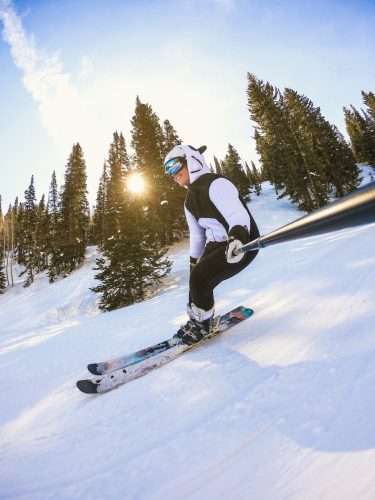
🎿 Is your winter travel bringing you north to Flagstaff?
If you’re traveling north for skiing, snowboarding, or cold-weather hiking, don’t wait until you’re sore to get support. We offer targeted recovery sessions for post-slope tension, helping you maintain performance and reduce risk of injury—even if you’re only up for the weekend.
Why Travel Causes Neck and Back Pain
Neck and back pain after travel has several well‑documented contributors:
- Many airplane seats offer poor ergonomic support, forcing the spine into awkward positions for long periods of time. This puts strain on spinal joints, neck muscles, and connective tissue. Prolonged sitting is linked with increases in back stiffness and pain.
- Airplane cabins are dry and cramped, leading to reduced hydration of spinal discs and muscles, which can increase stiffness and discomfort.
- Holding your head forward or to the side while sleeping in a seat or looking down at a device places added stress on the cervical spine.
Even short flights can leave your body feeling tight because sitting still reduces joint mobility and nutrient flow to soft tissues.
How to Prevent and Reduce Travel Discomfort
You don’t have to accept pain as part of travel. Evidence‑based strategies can limit stiffness before, during, and after your trip.
Before and During Travel
Keep Moving When You Can
Frequent movement combats the effects of static posture. Standing up in the aisle or walking around at layovers restores circulation and helps keep muscles limber.
Use Supportive Seating and Accessories
Adding lumbar support or choosing seats with more legroom can reduce stress on the lower back and neck. Maintaining good posture — shoulders back and head aligned over the spine — is linked to lower rates of travel discomfort.
Hydration Matters
Cabin air is extremely dry, which can contribute to muscle and joint tightness. Staying hydrated before and during travel helps maintain tissue flexibility and reduces stiffness.
At‑Home Movement After Travel
Once you’ve landed, a few simple mobility practices can help release tension:
Gentle Stretching
Neck tilts, shoulder rolls, and gentle spinal twists can improve range of motion. Increasing motion shortly after sitting for long periods helps keep joints fluid.
Spinal Mobility Work
Simple movements that target the mid‑back and hips, like seated cat‑cow stretches or gentle trunk rotations, help ease stiffness that builds up during travel.
Consistent movement after sitting for hours supports blood flow and muscle recovery, helping you feel more mobile quickly.
How Therapeutic Bodywork Supports Travel Recovery
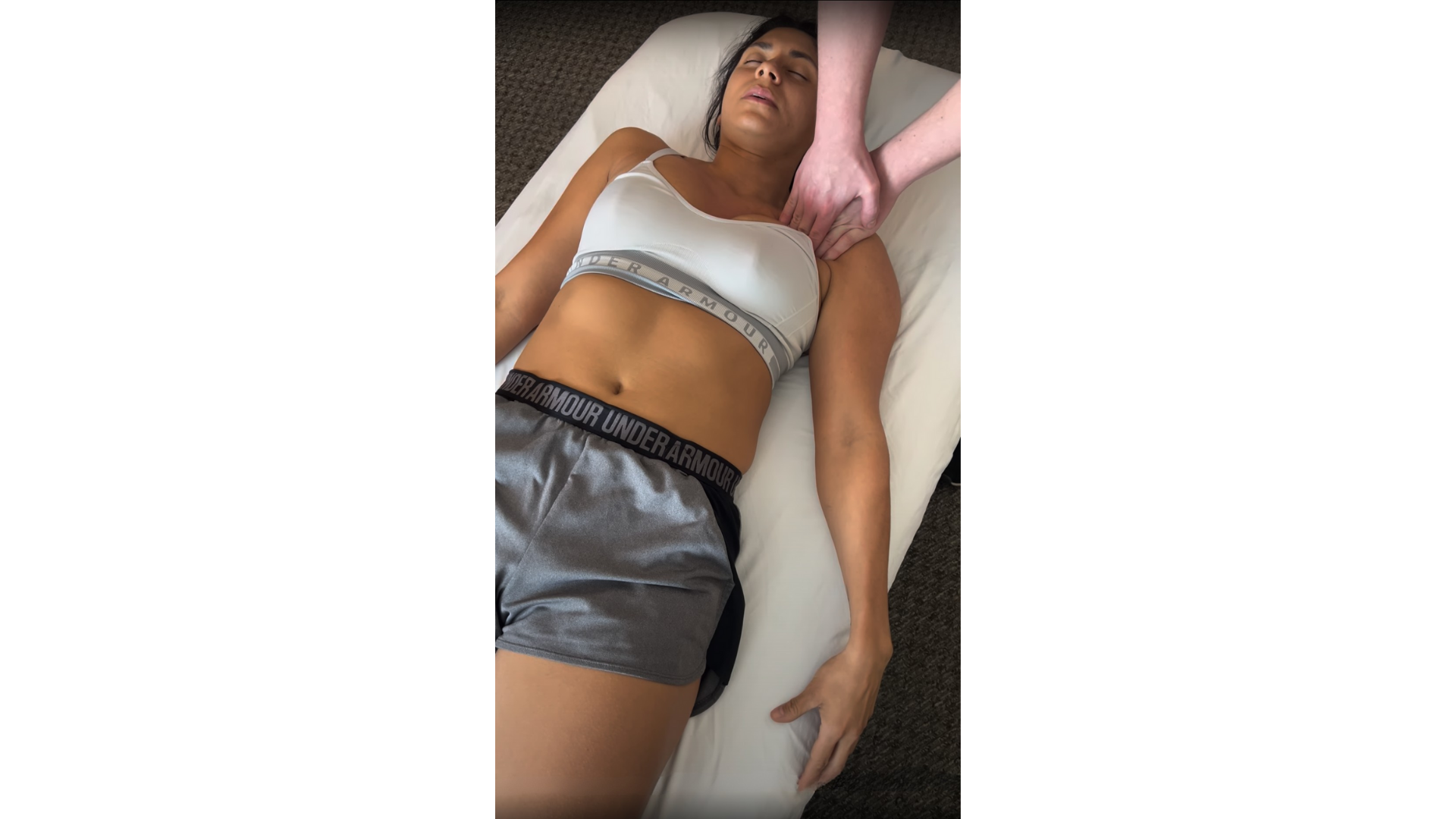
Massage and therapeutic bodywork are more than just relaxation. They address the underlying physical stress that travel puts on your muscles and connective tissue. Research on manual therapies indicates they can improve circulation, reduce muscular stiffness, and enhance movement patterns when combined with movement and stretching. (National Center for Complementary and Integrative Health)
At Keystone Body Therapies we tailor your session based on your travel experience and recovery needs. We recommend the following modalities after travel:
Myofascial Therapy
Helps release fascial restrictions and restore healthy tissue glide, especially in the neck, upper back, and shoulders.
Myofascial Cupping Therapy
Enhances tissue hydration and circulation to deeper layers, supporting recovery of stiff, travel‑affected muscles.
Sports Massage and Neuromuscular Re‑Education
Targets movement patterns and muscle coordination to help your body resume normal activity after long periods of immobility.
Therapeutic Massage
Provides surface circulation improvement and relaxation to complement deeper work.
These approaches support relief from stiffness and help restore balanced movement after a long journey.
When to Seek Additional Support
If your pain is severe, persistent, radiates into arms or legs, or is accompanied by numbness or tingling, consult a healthcare provider. These symptoms may indicate nerve involvement or a structural issue that needs medical evaluation.
Therapeutic bodywork is most effective when used as part of a broader recovery strategy alongside movement, hydration, and ergonomic awareness.
Book Travel Recovery Support at Keystone
Returning from travel shouldn’t leave you tied up in knots. At Keystone Body Therapies, our therapists help active travelers and frequent flyers restore comfort and mobility quickly. Whether you need targeted work for the neck, back, or shoulders, we tailor a plan to reduce pain and support continued movement.
Contact us today to schedule a post‑travel therapeutic bodywork session at our locations in Chandler, Scottsdale, Goodyear, or Flagstaff.
