

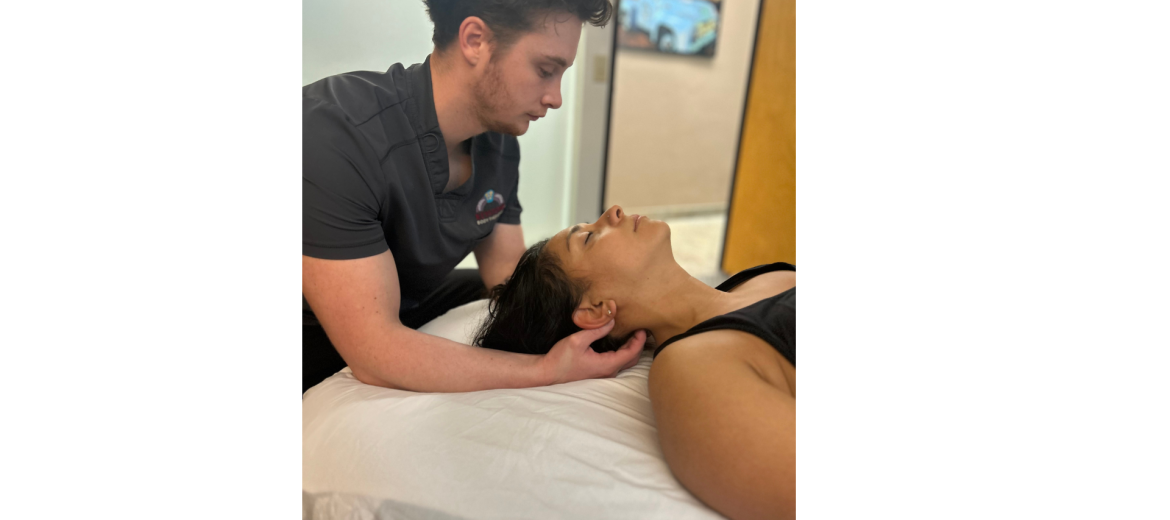
Every January many people set goals for better health, increased fitness, and improved mobility. If your body has felt tight, stiff, or restricted after activity or long days, a purposeful plan can make a real difference. One of the most effective ways to improve long term mobility is through structural integration paired with targeted bodywork sessions.
Below we will explain what structural integration is, why it matters for mobility goals, and how to start 2026 with a movement plan that works.
What Is Structural Integration and How Does It Support Mobility?
Structural integration is a form of therapeutic bodywork that focuses on the body’s myofascial system. Fascia is a network of connective tissue that surrounds muscles, bones, and joints. Over time repetitive movement patterns, poor posture, or old injuries can cause fascia to shorten or become restricted, limiting how you move.
Structural integration works to restore balance by organizing the myofascial layers so your body can move with less tension and greater efficiency. The process helps:
- Improve alignment and posture
- Reduce chronic tension from repetitive stress
- Enhance range of motion in joints
- Improve movement efficiency across daily activities
The goal is not just temporary relief but a fundamental change in how your body holds tension and moves through space.
For more research on the benefits of fascia‑focused work and structural alignment, see this overview from the International Association of Structural Integrators (IASI).
Why January Is a Great Time to Focus on Mobility in Arizona
The Phoenix area winters offer a unique landscape for getting active. Unlike harsh winter weather up in Flagstaff– down here we have mild conditions that support walking, hiking, golf, and outdoor fitness routines. Many of our clients increase their activity levels in January after a hot summer or holiday break.
When you increase your activity without addressing joint and fascial balance first, the mid‑back, hips, and shoulders can tighten, and compensatory movement patterns can develop. Structural integration helps reset your body so you can enjoy activity with less risk of stiffness or strain. A slower start followed by informed bodywork can create sustainable mobility gains instead of short lived fixes.

How Structural Integration Fits Into a New Year Mobility Plan
Structural integration works well when it is part of an intentional sequence of care.
Here are the key treatment types we use to support your mobility goals:
Structural Integration
This is the core of the plan. Sessions follow a systematic approach to reorganize the myofascial network, improve alignment, and create structural balance that supports better functional movement.
Myofascial Therapy
This technique focuses on releasing fascial restrictions that limit motion and contribute to stiffness in the hips, back, shoulders, and other areas involved in mobility.
Therapeutic Massage Therapy
These sessions reduce surface muscle tension, improve circulation, and support relaxation of overworked muscles, particularly helpful in the early phase of mobility work.
Myofascial Cupping Therapy
Cupping enhances fascial release and increases local circulation. It can help integrate the gains from structural integration by supporting deeper tissue hydration and movement freedom.
Sports Massage and Neuromuscular Re‑Education
This combined approach supports active people who are training, walking, or enjoying outdoor sports during the cooler months. It helps correct motor patterns that can interfere with smooth, coordinated movement.
For more on how bodywork impacts movement and recovery, see this explanation from the Mayo Clinic on massage therapy benefits for soft tissue and joint function.

A Simple Mobility Plan to Start the Year
Here is a sample sequence you could follow in January:
- Week 1: Structural integration assessment and initial session
- Week 2: Therapeutic massage with guided mobility education
- Week 3: Structural integration session followed by home mobility work
- Week 4: Myofascial Cupping Therapy with sports massage and neuromuscular re‑education
This sequence gives your body a structured foundation and reinforces mobility gains each week.
Do You Have to Be Active to Benefit?
No. Even if you are not a runner, hiker, or gym user, structural integration can benefit anyone whose body has compensations from work, posture, or daily life. Many people who sit at desks or drive long distances in Arizona find that addressing fascial balance enhances comfort and helps them move with less pain.
If you are already active, structural integration helps your body adapt to increased loading and movement demands. If you are returning to activity, it reduces the risk of stiffness or injury.
Is Structural Integration Different From Regular Massage?
Yes. Therapeutic massages are excellent for relaxing surface muscle tension and improving circulation. Structural integration builds upon that by addressing deeper fascial layers and structural patterns. Where a regular massage session provides relief, structural integration changes how your body distributes load and stabilizes itself through movement.
Real Change Starts With a Plan and Follow Through
New Year goals work best when you have a plan and accountability. At Keystone Body Therapies we partner with you to create a mobility plan that fits your goals and lifestyle. If your priority is moving better, reducing pain, or supporting an active Arizona winter, structural integration is a strong first step.
Contact us today to schedule a structural integration assessment or mobility plan consultation at our Chandler, Scottsdale, Goodyear, or Flagstaff location.
