

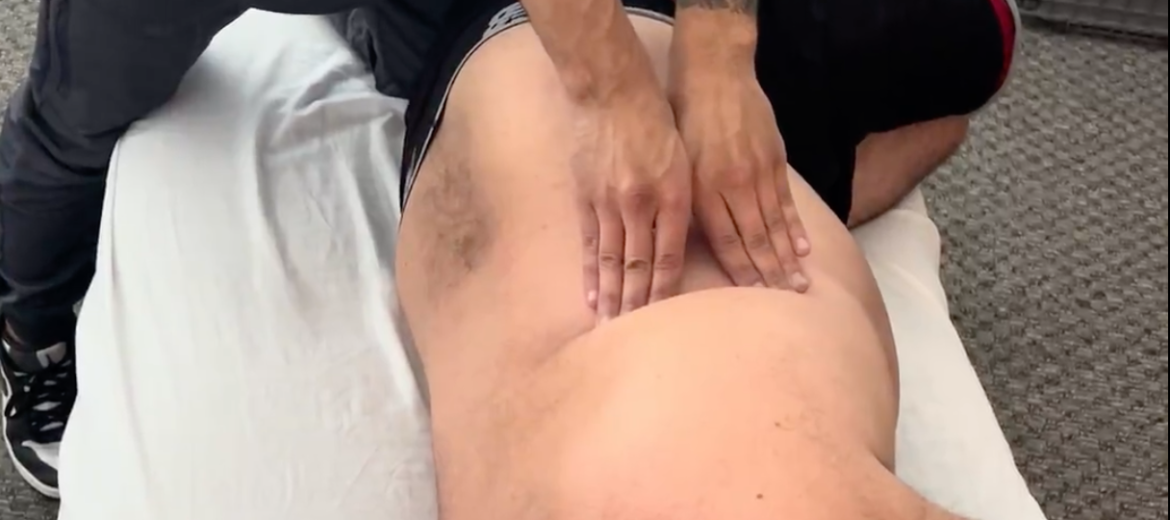
What Scoliosis Is and Why It Matters
Scoliosis is a condition where the spine curves sideways in an abnormal way. It can take the shape of a C or an S and is typically identified when the spinal curve measures more than a 10‑degree deviation from neutral. Structural scoliosis involves actual changes to the spine and rib cage, while functional scoliosis stems from muscle imbalances and posture patterns.
Because scoliosis changes how the spine and surrounding muscles function, it often leads to muscle tension, asymmetrical movement patterns, and discomfort in everyday activities. While scoliosis is most often diagnosed in adolescence, adults may continue to experience symptoms or related musculoskeletal strain throughout life.
Medical professionals emphasize that soft tissue therapy alone cannot cure the curvature of the spine since it is a structural condition rooted in bone anatomy. However, manual and movement‑based therapies can play a valuable supportive role in reducing discomfort and enhancing function as part of a broader approach.
How Structural Integration Fits Into Scoliosis Support
Structural Integration focuses on reorganizing the body’s connective tissues and improving posture and movement patterns in relation to gravity. The method systematically works through fascia and muscle layers to address asymmetries and compensations that develop over time.
While structural integration does not directly change the spinal curve measured on an X‑ray, it may help with:
- Postural awareness and symmetry by reducing tension on the concave and convex sides of the body.
- Body awareness and movement mechanics, which can reduce overuse strain on muscles and joints caused by compensatory patterns.
- Whole‑body alignment, enhancing how the torso, pelvis, and shoulders relate to one another when standing, walking, or exercising.
In clients with scoliosis, improving how the soft tissues support posture and motion can make movement feel more balanced. This is especially meaningful for active adults in Arizona who hike Camelback Mountain, jog along Tempe Town Lake, or enjoy golf in Scottsdale. Improved soft tissue balance can enhance comfort and reduce the energetic cost of movement.
Structural Integration at Keystone Body Therapies is a series of sessions that teach your body how to relate more efficiently to gravity and how to move with less tension and more economy. Over time, this can help ease the muscular discomfort and patterns of compensation that often accompany spinal misalignment.
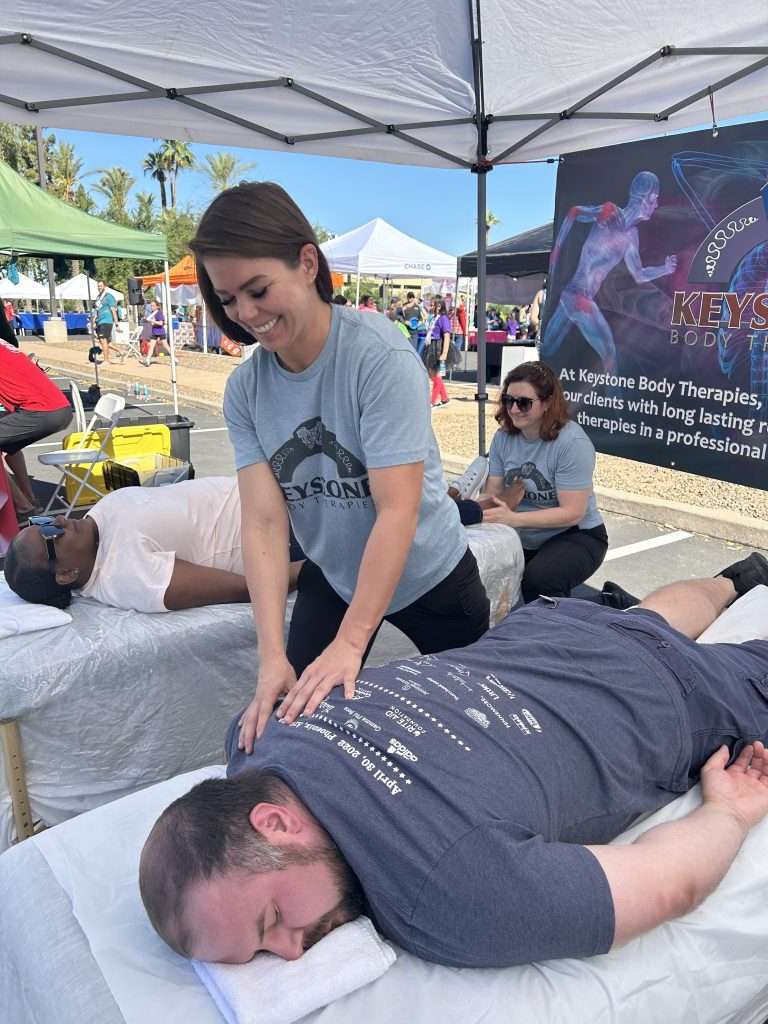
What Research and Professional Opinions Say
Massage and manual therapies are commonly used as supportive care for people with scoliosis. While they cannot correct the curvature itself, they can play a useful role in symptom management:
- A review of massage and scoliosis treatment underscores that manual therapy is best used as part of a comprehensive plan, particularly for relieving muscle tension and discomfort.
- Structural Integration has been noted as a complementary approach to more conventional scoliosis care due to its focus on body alignment, mobility, and whole‑body balance.
- Exercise‑based programs, such as those focusing on posture and symmetry (for example the Schroth method), support the idea that movement and postural retraining can improve how the body copes with scoliosis.
In general, multidisciplinary approaches that combine movement education with manual and therapeutic support are more effective at improving function and comfort than isolated interventions.
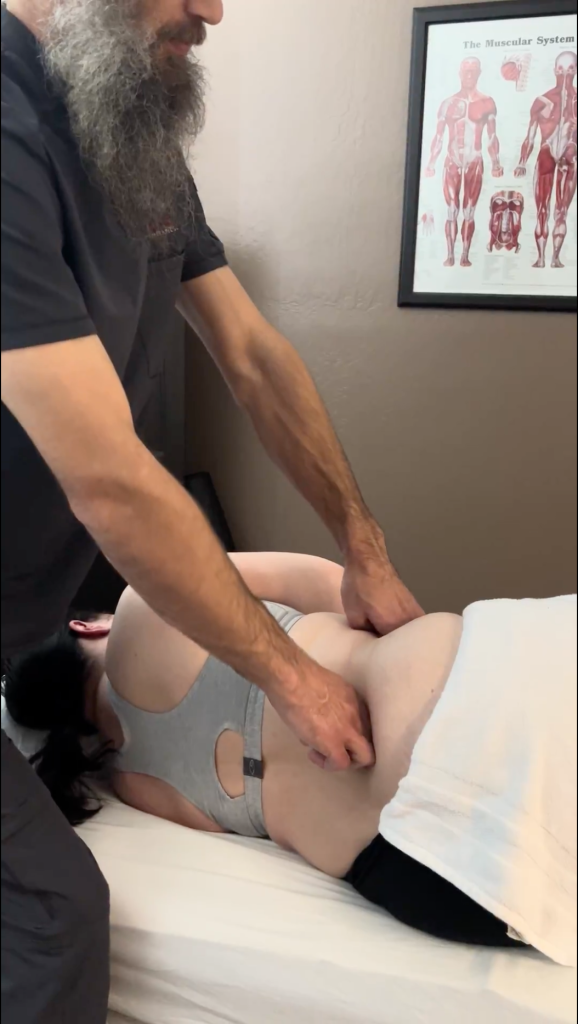
Functional versus Structural Scoliosis: What You Should Know
Understanding the difference between functional and structural scoliosis helps clarify expectations for manual and movement‑based support:
- In functional scoliosis, postural patterns and muscle imbalances contribute to a curvature that may be more responsive to postural retraining and soft tissue work.
- In structural scoliosis, the curvature involves permanent changes to spinal segments and rib positioning, meaning manual therapies cannot correct the curve but can address the resulting compensations and discomfort.
Regardless of type, optimizing how muscles and fascia support posture and movement can reduce strain and improve comfort during daily and athletic activities.
What You Can Do at Home
While professional therapeutic work addresses deeper tissue patterns, incorporating daily movement and posture awareness can enhance your outcomes. Evidence‑based scoliosis support routines often include:
- Spinal mobility exercises to encourage rotation and flexibility.
- Core and postural strengthening, which supports the musculature that helps stabilize the spine.
Discuss your home movement strategy with your therapist, especially if you want a plan that complements your bodywork and fits your activity level in places like Scottsdale, Chandler, and Flagstaff.
Realistic Expectations and Safety
It is important to understand that:
- Structural integration and therapeutic bodywork do not correct the anatomical curvature of scoliosis.
- Soft tissue work can, however, reduce muscle tension and improve movement comfort.
- A comprehensive plan that includes exercise, movement education, and other medical advice is often most effective.
If you have had spinal surgery or spinal hardware, inform your therapist so your care plan can be adapted for safety and comfort.
Therapeutic Bodywork and Related Services at Keystone
At Keystone Body Therapies, we tailor care for individuals with scoliosis or spinal misalignment to support comfort and movement quality. Our clinical services that can be part of a scoliosis management plan include:
Structural Integration
This systematic series of sessions addresses fascial and muscular patterns throughout the body. It helps improve alignment and movement symmetry, which can ease muscle strain and enhance overall posture.
Therapeutic Bodywork
Focused manual therapy that targets regions experiencing increased tension or discomfort due to asymmetrical movement. It helps improve soft tissue quality and joint mobility.
Injury and Rehabilitative Bodywork
Designed to address specific areas of discomfort, this service can be especially useful when certain muscles or soft tissues are restricted or painful.
Neuromuscular Re‑Education
This personalized movement program helps improve postural and muscular balance through guided exercises and stretches. It supports long‑term functional changes and can be practiced at home, complementing hands‑on sessions.
Each of these services is listed on our services page and is tailored to your unique structural and movement needs.
Book a Scoliosis Support Consultation at Keystone
If pain, stiffness, or postural discomfort related to scoliosis is affecting your daily life or activity routines in Arizona, Keystone Body Therapies can help you build a strategic plan. Our therapists across Chandler, Scottsdale, Goodyear, and Flagstaff offer personalized sessions designed to support alignment, reduce tension, and improve your movement quality.
Contact us today to schedule your assessment and begin your structural integration and movement support plan.
