

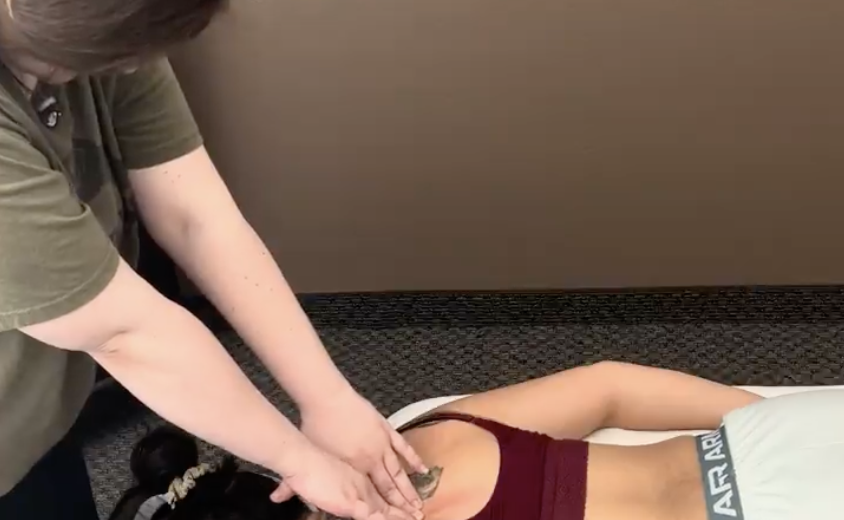
Whether you’re hiking Camelback, running the canals in Scottsdale, or staying active during your winter stay in the Valley, it’s common to experience muscle tension or pain. When you experience persistent muscle tension or discomfort, it’s common to hear terms like “trigger point massage” or “deep tissue massage.” At Keystone Body Therapies we don’t use those labels, but we do offer clinical services that address the same underlying issues in a structured way: Therapeutic Bodywork and Injury and Rehabilitative Bodywork.
In this guide we’ll explain what each service does, how they differ, and how to decide which is right for you.
What Causes Localized Muscle Pain?
Localized muscle pain often comes from repetitive movement patterns, compensations, or stiffness that develops over time. For example:
- Hikers and runners in Arizona may develop pain in calves, quads, or hips from repeated loading on trails and pavement.
- Office posture or prolonged sitting during travel can contribute to shoulder and neck tension.
- Walkers may feel ankle or foot tension when returning to activity after a break.
These patterns involve muscle and fascial restrictions, areas of tension, and neuromuscular compensation. It’s not just “tightness” — it’s how the body loads the tissues during movement. For a clear overview of how repeated motion can contribute to musculoskeletal discomfort, the National Institutes of Health summaries explain how manual therapies can support joint and soft tissue health.
Therapeutic Bodywork: When It’s the Best Fit
Therapeutic Bodywork is our core clinical approach designed to lengthen chronically short muscles and restore balanced movement. It blends advanced myofascial techniques and movement education to:
- Improve circulation and soft tissue quality
- Address widespread tension patterns
- Normalize movement across large muscle groups
- Support overall mobility and recovery for active lifestyles
This service is often the best starting point when:
- Pain is generalized across larger regions (e.g., entire back, hips, or shoulders)
- You want to improve overall range of motion and postural balance
- You’re experiencing stiffness that affects daily activities or training
- You’re preparing for increased activity like hiking, biking, or spring training
Therapeutic Bodywork works across multiple interconnected layers of tissue, unlike narrowly focused pressure work. It helps shift how the body relates to movement overall rather than just targeting one spot.
Injury and Rehabilitative Bodywork: When It’s the Right Choice
Injury and Rehabilitative Bodywork is more localized and specific. It focuses on targeted muscles that are painful, restricted, or affecting movement.
This service is ideal when:
- Pain is isolated to a specific area like a tight calf, piriformis, or ankle
- You need relief from local adhesions or restricted tissue
- Recovery from a specific incident (non‑acute injury) is part of your plan
- You want to reduce spasms or improve local joint mobility
For example:
- A runner with persistent calf tightness that limits stride length
- An active walker with plantar foot discomfort after a long outing
- A hiker with local hip flexor irritation from repetitive uphill movement
Injury and Rehabilitative Bodywork focuses on releasing adhesions and improving pliability in specific tissues, which can speed up recovery and prevent further irritation. It’s a precise approach that complements broader care.

How These Services Compare
| Feature | Therapeutic Bodywork | Injury and Rehabilitative Bodywork |
| Scope | Whole muscle groups and movement patterns | Specific muscles or localized areas |
| Best For | Overall mobility, tension reduction, structural balance | Targeted pain, tight spots, specific restrictions |
| Effect | Improves broad movement efficiency | Releases localized adhesions and restores local motion |
| Best For | Active people with stiffness, multi‑area tension, performance goals | Isolated discomfort, recent strain, targeted relief |
Both approaches can be powerful tools in your movement toolkit, and they often work best when combined with proper movement education.
When You Might Add Neuromuscular Re‑Education
For ongoing imbalances, recurring tension, or movement compensations that contribute to pain patterns, Neuromuscular Re‑Education offers personalized exercises that strengthen specific muscles and improve movement strategies at home.
This service is especially helpful as a follow‑up to hands‑on work, empowering you to carry gains from the table into your daily movement and training.
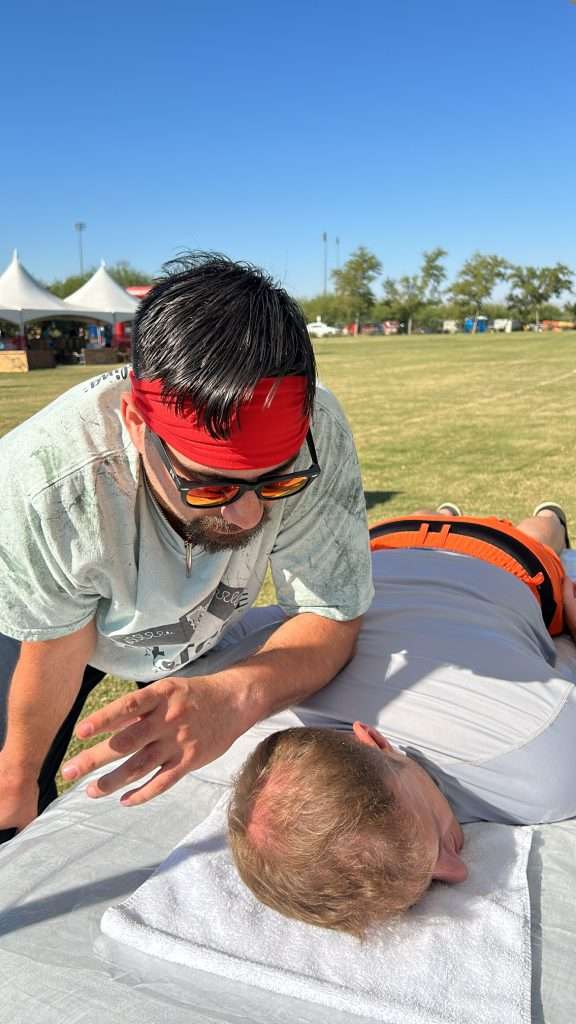
How to Decide: A Practical Guide
Here are a few examples of how clients might choose between services:
- “My whole back feels stiff after walking Tempe Town Lake or hiking up Thunderbird.” → Start with Therapeutic Bodywork to address multiple regions and support entire movement chains.
- “My calf or ankle hurts after runs on uneven trails.” → Injury and Rehabilitative Bodywork can target those tissues to improve mobility locally.
- “I keep feeling shoulder tension no matter how much I stretch.” → A blend of Therapeutic Bodywork plus Neuromuscular Re‑Education may help correct underlying movement patterns.
If you’re unsure which direction makes sense for your body, we recommend starting with an assessment session so your therapist can plan a path that matches your goals and activity level.
At‑Home Activities That Support Clinical Care
Manual work is powerful, but pairing it with consistent, gentle movement enhances results. Simple at‑home routines supported by Neuromuscular Re‑Education might include:
- Ankle mobility drills
- Calf lengthening stretches
- Hip internal rotation warm‑ups
- Foot arch activation exercises
For guidance on safe and effective mobility work, Harvard Health offers general movement tips that support tissue flexibility and reduce injury risk.
Ready to Get Started?
Deciding between Keystone’s clinical services shouldn’t be confusing. Whether your pain is broad and nagging or specific and stubborn, we have structured options that fit your needs.
Contact Keystone Body Therapies today to schedule your assessment or targeted session in Chandler, Scottsdale, Goodyear, or Flagstaff.
