

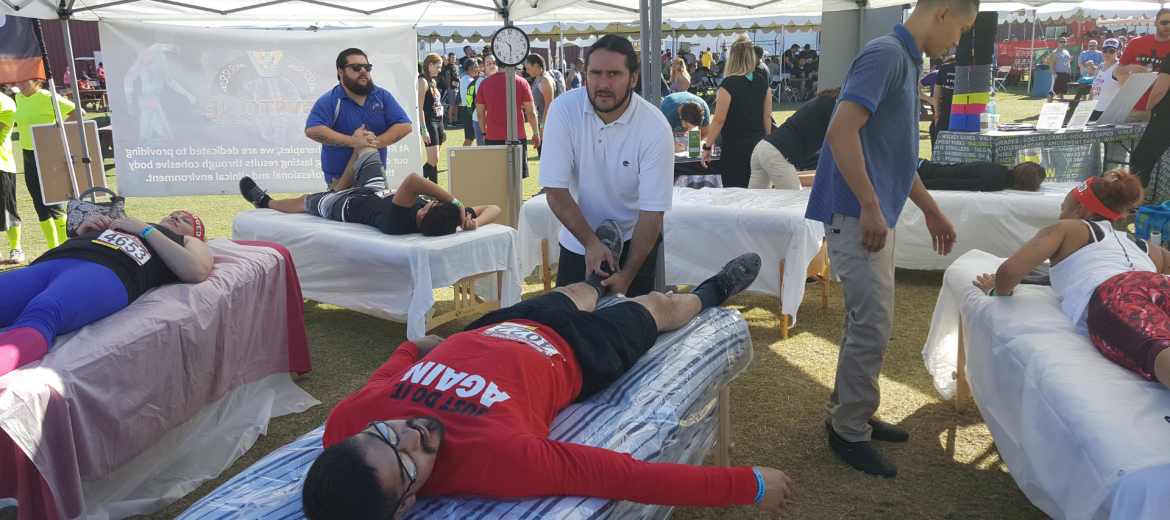
Spring training season in Arizona is more than a phrase for baseball. As spring temperatures rise in Arizona, so does the activity level. From community 5Ks and hiking meetups to club sports and spring training prep, Valley athletes are logging more miles and time under the sun.
As mileage increases and intensity ramps up, so do the bodily demands. Managing tissue fatigue, preventing overuse injuries, and optimizing recovery become critical.
That’s where massage therapy, specifically therapeutic bodywork, plays a critical role in performance and injury prevention during the spring training season.
Why Recovery Matters in Spring Training
Training adaptations happen between sessions, not during them. Without adequate recovery, increased load leads to:
- Accumulated muscle fatigue
- Restricted joint range of motion
- Movement compensations
- Increased injury risk
Research on exercise physiology shows that recovery modalities support tissue repair, neuromuscular balance, and performance over time. The American Council on Exercise notes that effective recovery can enhance performance adaptations and help athletes stay more consistent in their training.
How Therapeutic Bodywork Enhances Recovery
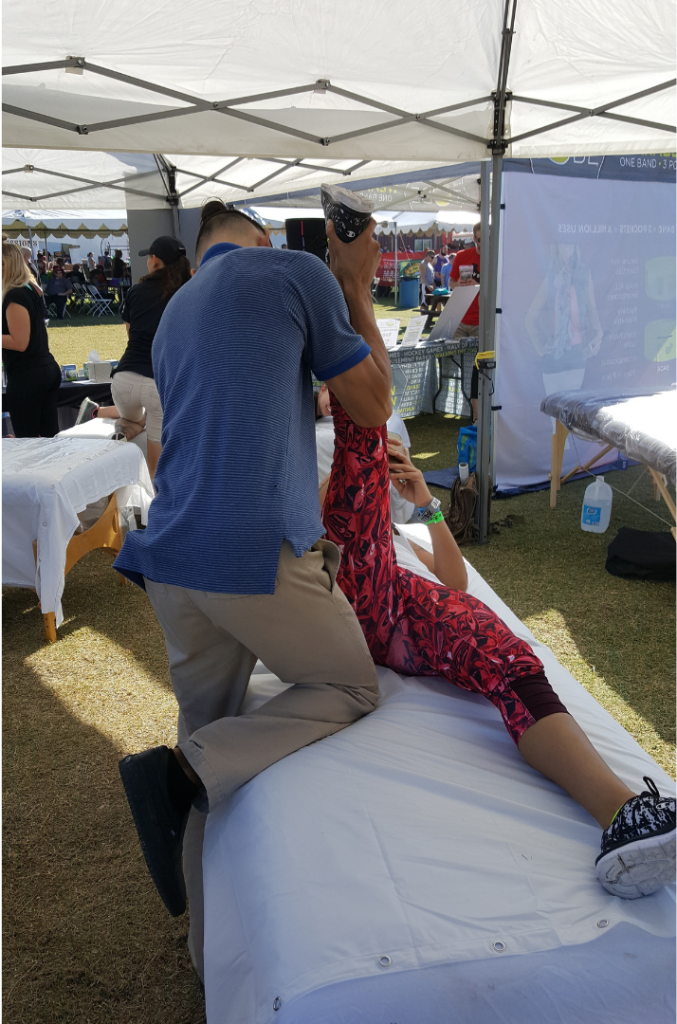
At Keystone Body Therapies we focus on Therapeutic Bodywork and Injury and Rehabilitative Bodywork — services designed to do more than relax muscles. These clinical approaches work with your nervous system, fascia, and movement patterns to optimize how your body responds to training stress.
1. Improving Circulation and Tissue Health
Active training increases metabolic waste and micro‑damage in soft tissues. Manual techniques enhance blood flow and lymphatic movement, which supports nutrient delivery and waste removal. Research has shown that manual therapies can reduce perceptions of soreness and improve tissue recovery after intense sessions.
2. Reducing Tightness and Fascia Restrictions
One of the key barriers to performance is restricted fascia and muscle tissue — especially after repeated loading. Therapeutic Bodywork targets chronically short or stiff tissues, which helps:
- Improve joint range of motion
- Correct patterns of compensation
- Reduce strain on active muscles
These effects support smoother mechanics in running, cycling, and functional training.
3. Targeted Pain Relief With Injury and Rehabilitative Bodywork
When soreness becomes more focal — like calf tightness after long runs or hip irritation from hill repeats — Injury and Rehabilitative Bodywork helps address specific soft tissue restrictions. This approach can:
- Release adhesions and trigger points
- Improve mobility around joints
- Alleviate pain that limits performance
Scientific reviews highlight positive effects of soft‑tissue work on localized musculoskeletal discomfort when combined with active recovery.
4. Movement Reinforcement Through Neuromuscular Re‑Education
Recovery isn’t just about tissue hydration. It’s also about movement quality. Neuromuscular Re‑Education at Keystone provides:
- Movement assessments
- Corrective exercises
- Customized stretches
This supports efficiency in gait, stride, posture, and kinetic chain coordination. The National Academy of Sports Medicine notes that neuromuscular training enhances proprioception and movement control, which helps reduce injury risk and improve performance outcomes.
Seasonal Factors in Arizona That Affect Recovery
Valley Training Conditions
In Phoenix, Scottsdale, Chandler, and Goodyear:
- Mild early spring temps invite longer sessions
- Heat acclimation begins early
- Urban trails and canal pathways see high traffic
Athletes here often increase mileage and outdoor activity sooner, making consistent recovery crucial.
Flagstaff and Altitude Training
In Flagstaff:
- Higher elevation challenges oxygen delivery
- Longer winter sports seasons delay transition into spring training
- Downhill trail work and hill repeats tax tissue differently
Altitude training can increase recovery demands due to hypoxic stress. Studies show that manual and movement therapies help offset autonomic strain by promoting relaxation and neuromuscular balance.
Actionable Recovery Strategies for Spring Training
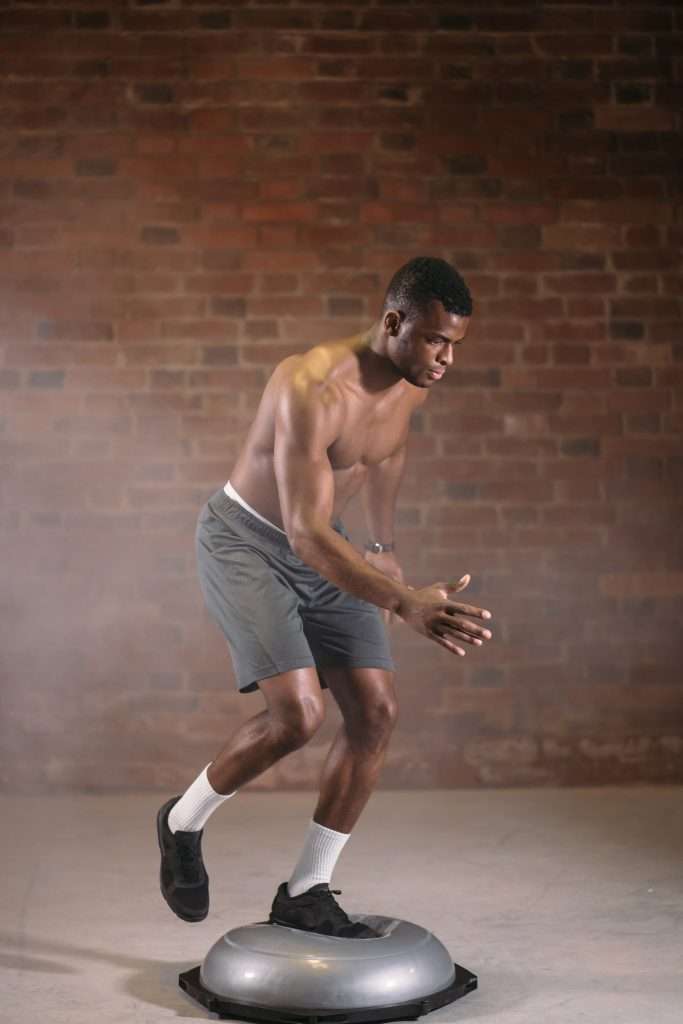
Therapeutic bodywork is most effective when supported with proactive habits. Here are practical steps you can take:
Warm‑Up and Cool‑Down Routines
Dynamic warm‑ups before workouts and cool‑downs after reduce stiffness. Simple mobilizations such as:
- Hip openers
- Ankle mobility drills
- Thoracic rotations
…prepare tissues for load and help them recover afterward.
Hydration and Sleep
Recovery is metabolic. Hydration supports tissue elasticity and nutrient transport, while sleep is when growth hormone and repair processes peak.
Active Recovery Days
Integrate low‑intensity movement days, such as:
- Easy trail walks
- Gentle stretching sessions
- Light cycling
These enhance circulation without adding stress.
Integrating Keystone’s Services Into Your Training Plan
Understanding when and how to use Therapeutic Bodywork and related services can make your recovery strategic rather than passive.
Therapeutic Bodywork
Best used when stiffness or broad tension patterns develop across multiple muscle groups — like after a big week of training or a long run.
Injury and Rehabilitative Bodywork
Ideal when the pain is more localized and specific muscles restrict your movement — such as calf or IT band issues.
Neuromuscular Re‑Education
Works best when movement patterns and mechanics need reinforcement — especially after a period of high intensity or loading.
Myofascial Cupping (Add‑On)
Supports tissue hydration and circulatory response when tightness is difficult to release.
Explore all services on the Keystone service page.
Signs You Should Schedule Bodywork
You might consider integrating clinical bodywork if you notice:
- Persistent stiffness that doesn’t improve with stretching
- Pain that interferes with training or daily function
- Asymmetrical movement patterns
- Increased recovery time between sessions
Professional care helps keep adaptations positive and injuries at bay.
