What Is Myofascial Cupping?
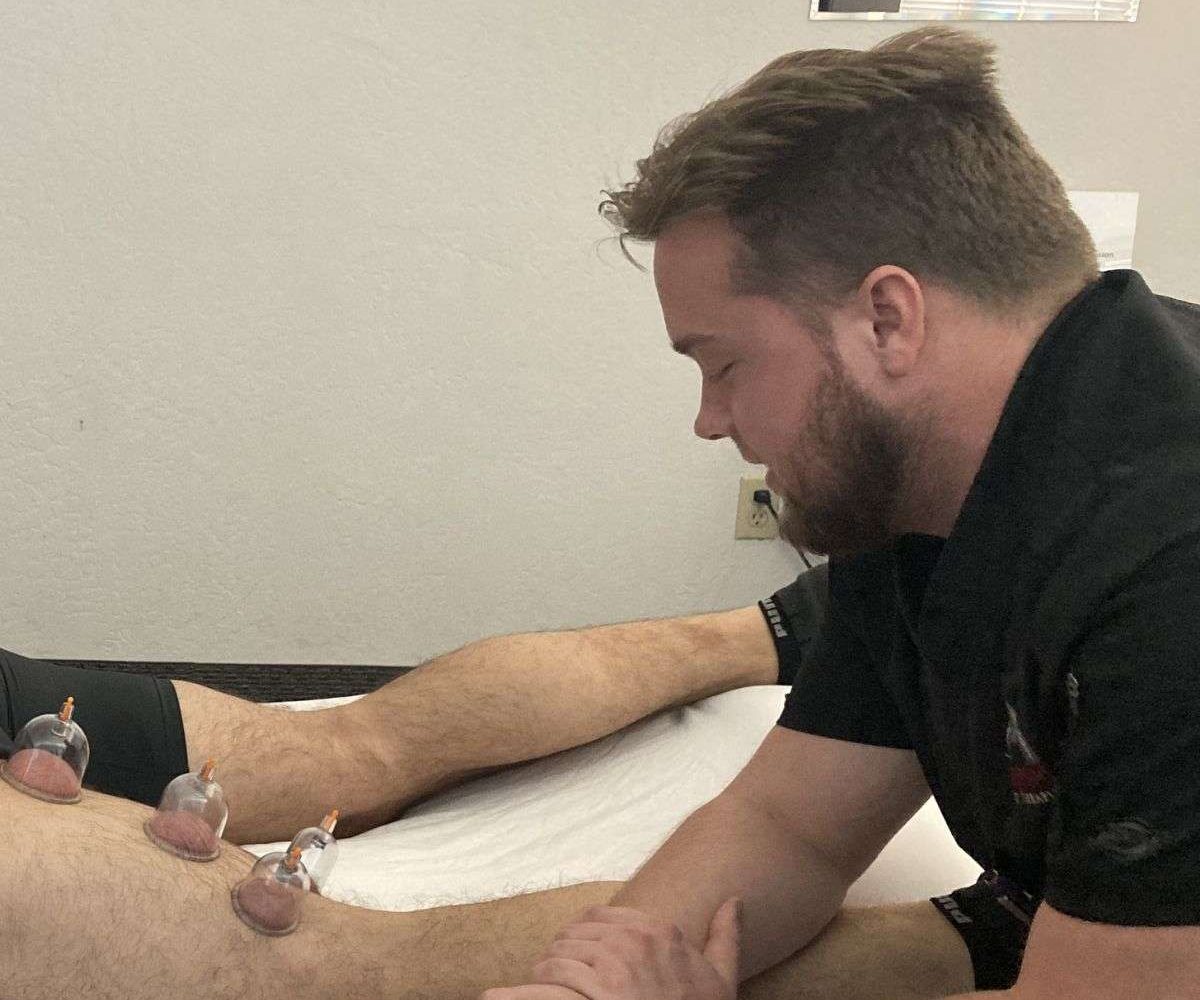
Myofascial cupping — also called myofascial decompression — is a soft tissue therapy that uses suction rather than compression to treat the body’s connective tissue. Unlike most massage techniques that press tissue down, cupping lifts the skin, fascia, and underlying muscle upward using plastic or silicone cups. This negative pressure decompresses layers of tissue that are stuck, compressed, or restricted, pulling blood and fluid toward the surface and stimulating the body’s natural healing response.
Cupping has ancient roots but has been refined and integrated into modern clinical practice as a highly effective tool for treating musculoskeletal pain, restricted mobility, scar tissue, and chronic fascial tension. At Keystone Body Therapies, cupping is used as a therapeutic add-on to enhance and deepen the results of your bodywork session.
What Are the Benefits of Cupping Therapy?
Cupping therapy offers a distinctive set of benefits that complement hands-on bodywork:
| Pain Relief | The decompression of tight, compressed tissue provides immediate relief from muscular pain and soreness, particularly in areas of chronic tension like the upper back, neck, and hips. |
| Improved Circulation | Suction draws blood into the treated area, increasing local circulation and delivering oxygen and nutrients to injured or fatigued tissue. |
| Lymphatic Drainage | The lifting action stimulates the lymphatic system, helping the body clear metabolic waste and inflammation from areas of chronic restriction. |
| Fascial Release | Fascia that has become adhered or thickened is gently mobilized by the cupping action, restoring the smooth glide between tissue layers that the body needs for efficient movement. |
| Scar Tissue Reduction | Cupping is particularly effective at breaking down and remodeling scar tissue from surgeries, injuries, or repetitive strain. |
| Accelerated Recovery | Athletes and active individuals use cupping to speed recovery between training sessions and competitions by flushing tissue and reducing delayed onset muscle soreness (DOMS). |
What to Expect During a Cupping Session
Cupping at Keystone Body Therapies is always performed by a licensed therapist as part of a broader bodywork session. Cups are placed on targeted areas of tension and may be left stationary or glided across the skin for a moving decompression effect. Your therapist will adjust the level of suction to your comfort.
You may notice circular marks on the skin after cupping — these are not bruises. They are the result of old blood and stagnant fluid being drawn to the surface and are a normal, temporary response that typically fades within a few days. Many clients find these marks in areas of the most significant restriction.
Myofascial Cupping Pricing
$30
Cupping is offered as an add-on to your therapeutic bodywork session — not as a standalone service — allowing your therapist to integrate it seamlessly into a complete, targeted treatment plan.
Frequently Asked Questions — Myofascial Cupping
Does cupping hurt?
Cupping should not be painful, though you may feel a strong pulling sensation, especially in very tight areas. Your therapist will always work within your comfort level and adjust suction accordingly.
Will cupping leave marks?
It’s common to see circular discoloration on the skin after cupping — typically pink to dark red. These are not bruises in the traditional sense (no tissue damage occurs) and will fade within 3–7 days. The darker the mark, the more stagnation was present in that area.
Who should avoid cupping?
Cupping is not recommended for people with certain skin conditions, blood disorders, or those taking blood thinners. Pregnant women should consult their physician first. Let your therapist know about any health conditions before your session.
Can I get cupping as a first-time client?
Yes. Your therapist will assess your needs and recommend whether cupping is appropriate for your first session.